Welcome to JIECHENG



Leave Your Message
Welcome to JIECHENG
In today's competitive industrial world, sticking to energy efficiency is more important than ever. One smart move many companies are making is using Thermal Pipe Covers. These handy insulating solutions can really cut down on energy waste — some studies show they can reduce heat loss by over 30% in industrial settings. Here at Jiangxi Jiecheng New Materials Co., Ltd., we’re all about developing and producing top-notch high-temperature insulation products, like detachable Thermal Insulation sleeves and high-temp insulation boards. Our experience with special thermal insulation projects puts us in a great spot to provide solutions that do more than just save energy — they support sustainability too. Understanding how Thermal Pipe Covers help minimize energy loss can really help companies make smarter choices for both their operations and the environment. It’s all about working smarter, not harder, right?

You know, thermal pipe covers might not be the most glamorous part of industrial setups, but they play a huge role in saving energy. Basically, they add a protective layer around pipes to stop heat from escaping—something that can really add up in big facilities. I read a study from the U.S. Department of Energy that said insulating pipes can cut down energy loss by more than 30%. That’s a pretty big deal because it means companies can save a ton on their energy bills if they’re running high-temperature processes all day long. Plus, using good quality thermal insulation helps keep everything running smoothly and safely, without wasting energy or risking safety issues.
At Jiangxi Jiecheng New Materials Co., Ltd., we’re all about making high-temperature insulation products—things like removable thermal sleeves and insulation boards. Our stuff isn’t just effective at trapping heat; we also offer customized solutions for those tricky projects that need something a bit special. Trust me, investing in quality thermal pipe covers isn’t just about saving a few bucks—it’s a smart move. It helps industries stay compliant with strict energy rules and actually lowers operating costs in the long run. Really, putting money into top-notch insulation is a win-win—they save energy, and their equipment lasts longer, which is pretty awesome.
You know, when it comes to industrial setups, the thickness of your insulation really matters. It’s a game-changer for how well things stay warm or cool, and honestly, it can save a ton on energy bills. Some recent studies show that just making insulation a bit thicker can cut down energy loss by over 30 percent—that’s pretty impressive! This is especially crucial in places where keeping the temperature just right isn’t a luxury but a must for things to run smoothly. Oh, and speaking of eco-friendly options, bio-based materials like hemp wool are getting a lot of attention lately because they do a great job at blocking heat transfer while being kinder to the environment.
On top of that, there’s been some cool progress in how we layer insulation inside building walls and roofs. Experts stress that it’s not just about thickness—adding air cavity layers and customizing insulation setups can really boost energy performance. Plus, these strategies are aligned with the rising global rules around energy efficiency, so it’s more relevant than ever. As the construction world heads toward greener, more sustainable practices, understanding how thick your insulation should be is pretty much essential for lowering energy use and making heating and cooling systems work more effectively. All in all, it’s about refining our insulation game to help save energy across different sectors, and honestly, it’s exciting to see how tech is evolving to make all this happen.
| Insulation Thickness (inches) | Thermal Conductivity (BTU/hr·ft2·°F) | Heat Loss (BTU/hr) | Energy Cost Savings ($/year) | Percentage Energy Savings (%) |
|---|---|---|---|---|
| 1 | 0.50 | 200 | 1,000 | 5 |
| 2 | 0.35 | 150 | 1,500 | 10 |
| 3 | 0.25 | 100 | 2,000 | 15 |
| 4 | 0.10 | 50 | 3,500 | 20 |
| 5 | 0.05 | 25 | 5,000 | 30 |
Lately, I've come across quite a few industry stories that really highlight how much of a difference thermal pipe covers can make in cutting down energy costs. According to a report from the U.S. Department of Energy, insulating your pipes can actually save you 30% or even more on energy in different kinds of industrial setups. For example, I read about a manufacturing plant that started using thermal covers on their steam and hot water pipes, and they ended up saving over 150,000 BTUs each day. That adds up—a real boost for the bottom line and just makes operations run smoother.
When you’re thinking about whether thermal pipe covers are worth it, keep in mind they do more than just trap heat—they also help keep workers safe by shielding them from the really hot surfaces. One thing that lots of industries notice is that these covers usually pay for themselves pretty quick, often within a year, thanks to lower energy bills.
A quick tip: When picking out thermal pipe covers, it’s best to choose ones that match the specific temperature and surface of your pipes. Also, don’t forget regular check-ups and maintenance — keeping the insulation in good shape means you keep reaping those energy savings over time. It's a small effort that really pays off in the long run.
You know, thermal pipe covers really play a big part in making industrial setups more energy-efficient. When companies use different materials for insulation, they can actually cut down the amount of energy wasted quite a bit. Studies show that with good quality thermal insulation, you can save over 30% on energy costs—pretty impressive, right? For example, fiberglass insulation has a high R-value, so it’s pretty popular for industrial use, and mineral wool is great too because it’s fire-resistant and helps with soundproofing.
So, picking the right material for your thermal pipe covers isn’t just a minor detail—it really affects how efficiently your entire operation runs.
At Jiangxi Jiecheng New Materials Co., Ltd., we’re all about high-temperature insulation products made to meet industry needs. We focus on things like removable thermal insulation sleeves and high-temp insulation boards that deliver top-notch performance and flexibility for all kinds of industrial setups. Our products are built to handle tough environments, which means they last longer and keep things safe. Investing in quality thermal pipe covers made from advanced materials not only cuts down on energy waste but also helps your business be a bit greener and more sustainable in the long run.
In many industrial settings, keeping energy costs down is a big deal, and one really effective way to do that is by installing thermal pipe covers. Think of these covers as a protective blanket for your hot pipes—they help cut down on heat escaping, which can lead to pretty significant savings in the long run. If you want to get a clearer idea of how much energy you might be saving, it’s useful to crunch some numbers. For example, by looking at how well your insulation works and the temperatures your pipes run at, you can estimate the amount of heat loss and what kind of savings you could see if you get it properly insulated.
To make the most of these savings, it’s smart to regularly check and maintain your thermal covers—making sure they stay intact and do their job of keeping the heat in. Going for high-quality materials that have better insulation properties can also really boost the thermal resistance. Plus, teaming up with energy auditors can be a game changer; they can analyze your facility’s energy use and recommend tailored solutions—like the right kind of pipe covers—to maximize your efficiency.
All in all, applying these tips not only helps cut down on energy costs but also supports a greener, more sustainable operation. It’s a win-win situation, really.”
The 2023 Global Thermal Insulation Market Report presents valuable insights into the advantages of durable industrial removable thermal insulation. These systems are engineered to maintain optimal temperature ranges from -70°C to 1000°C, effectively addressing a wide array of industrial needs, from cryogenic applications to high-temperature processes. Their thermal conductivity is exceptionally low, at less than 0.035 W/(m·K) under standard conditions, enhancing energy efficiency and reducing operational costs for industries reliant on temperature control.
Moreover, the physical properties of this thermal insulation are noteworthy. With a material density ranging between 100-200 kg/m3 and a thickness of 35mm-50mm, these insulated solutions provide robust performance while remaining lightweight and easy to install. Flame retardant classifications score an A grade for non-flammability, enhancing fire safety in industrial environments. Coupled with excellent anti-corrosion attributes—resistant to acids, alkalis, and both water and oils—these insulation products not only extend their application potential but also ensure longevity. With a projected lifetime exceeding 10 years, businesses can invest in durable insulation systems that promise reliability and minimal maintenance over time, a critical consideration highlighted in recent market analyses.
: Insulation thickness is crucial for enhancing thermal performance and can lead to energy loss reductions of over 30 percent in industrial settings.
Bio-based materials such as hemp wool are effective in reducing thermal transmission and are environmentally friendly, making them a desirable choice for insulation.
The combination of adequate insulation thickness and air cavity layers improves energy performance and helps meet increasing global energy efficiency regulations.
High-quality materials like fiberglass, which offers a high R-value, and mineral wool, known for its fire resistance and sound insulation, are effective choices for thermal pipe covers.
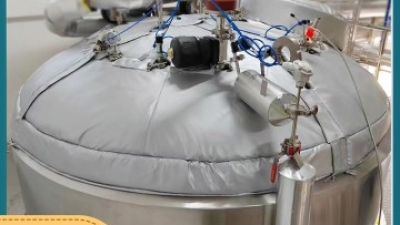
Detachable thermal insulation sleeves provide optimal thermal performance and adaptability for industrial applications, ensuring long-term energy savings and safety.
Industries can estimate potential energy savings by assessing insulation effectiveness and operating temperatures of pipes to determine energy loss and savings achieved.
Regularly inspecting and maintaining thermal covers ensures they are intact and effectively preventing heat loss.
Investing in high-quality insulation materials enhances thermal resistance, significantly minimizing energy losses and supporting sustainable operational practices.
Energy auditors can conduct comprehensive analyses of energy consumption patterns and recommend tailored solutions, including the use of thermal pipe covers, for optimal efficiency.
Enhanced insulation technologies contribute to reduced energy consumption, aligning with efforts towards minimizing energy demands and promoting effective heating and cooling solutions.
Thermal pipe covers are actually pretty important when it comes to boosting energy efficiency in industrial settings. They can even cut down energy loss by more than 30%, which is no small feat. Once you get the hang of how these covers work, it’s easier to see why they’re such a key part of keeping temperatures just right and preventing energy waste. Oh, and the thickness of the insulation really matters — the thicker it is, the better the energy savings tend to be.
There are plenty of case studies out there showing how companies across different industries have managed to save a ton of energy after installing these thermal pipe covers. Plus, when you compare different materials used in the covers, you notice some are more efficient than others — so picking the right material for your specific needs is super important. Companies like Jiangxi Jiecheng New Materials Co., Ltd. are actually really good when it comes to creating high-temperature insulation solutions, like detachable sleeves and boards, which can give your energy savings a real boost in thermal projects. When businesses take the time to run the numbers and see what kind of savings they could get, they’re better equipped to decide whether investing in insulation is worth it for overall efficiency.
All in all, thermal pipe covers might sound simple, but they’re kind of game-changers when it comes to saving energy and keeping things running smoothly.