Welcome to JIECHENG



Leave Your Message
Welcome to JIECHENG
Nowadays, with energy efficiency being more important than ever, using some smart Pipe Insulation techniques is pretty much essential if you want to cut down on heat loss and keep your system running smoothly. Did you know that, according to theDepartment of Energy, pipes that aren’t well insulated can bump up energy bills by as much as 20%? That's pretty significant, and it really highlights why good insulation matters. 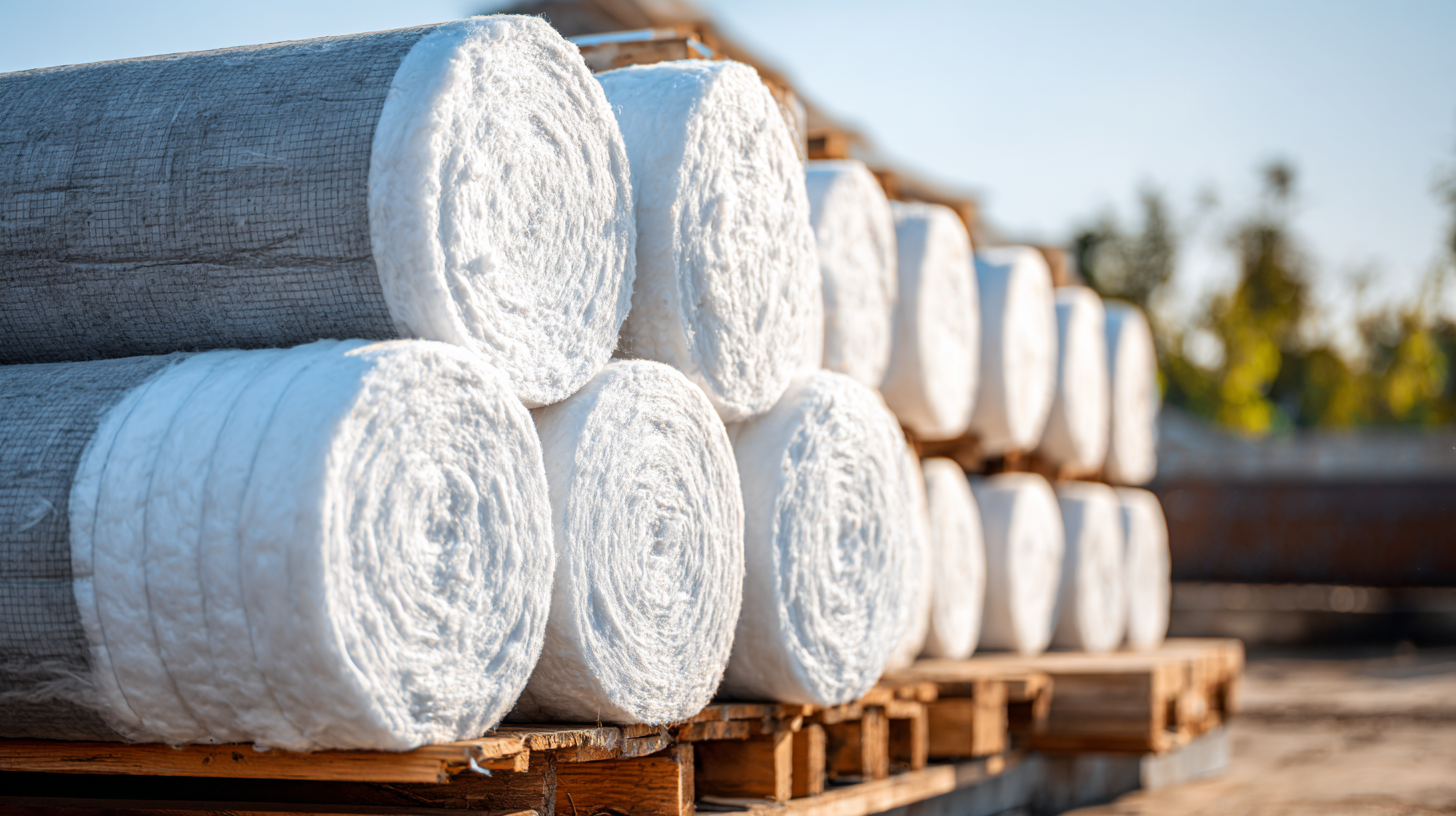 Jiangxi Jiecheng New Materials Co., Ltd., a real leader in the game, offers some cool solutions like detachable Thermal Insulation Sleeves and high-temp insulation boards—great options for tackling this issue. This Pipe Insulation Guide is gonna walk you through some of the latest techniques that not only boost energy efficiency but also help out with sustainability efforts. By adopting these strategies, businesses can seriously cut down on operational costs while also doing their part for the environment.
You know, pipe insulation is a pretty big deal when it comes to saving energy, especially in places with really high temperatures. When you’ve got good insulation, it helps keep that heat from escaping, which means less energy gets wasted, and your operating costs go down. Plus, using some of the latest insulation tech, companies can keep their temperatures steady, cut down on energy waste, and even make their equipment last longer. This stuff matters a lot in industries where managing heat isn’t just a nice-to-have—it’s essential. Even tiny inefficiencies here can end up costing a ton in the long run.
At Jiangxi Jiecheng New Materials Co., Ltd., we’re all about providing top-notch high-temperature insulation solutions tailored for all sorts of industrial needs. Whether it’s our removable thermal insulation sleeves or high-temperature insulation boards, everything we make is designed to really resist the heat. When businesses implement our advanced insulation methods, they not only get better energy efficiency but also help shrink their carbon footprint. And let’s be honest—that’s become more important than ever. Investing in quality pipe insulation isn’t just a technical move; it’s a smart strategic choice that can give you a real edge in today’s sustainability-focused world.
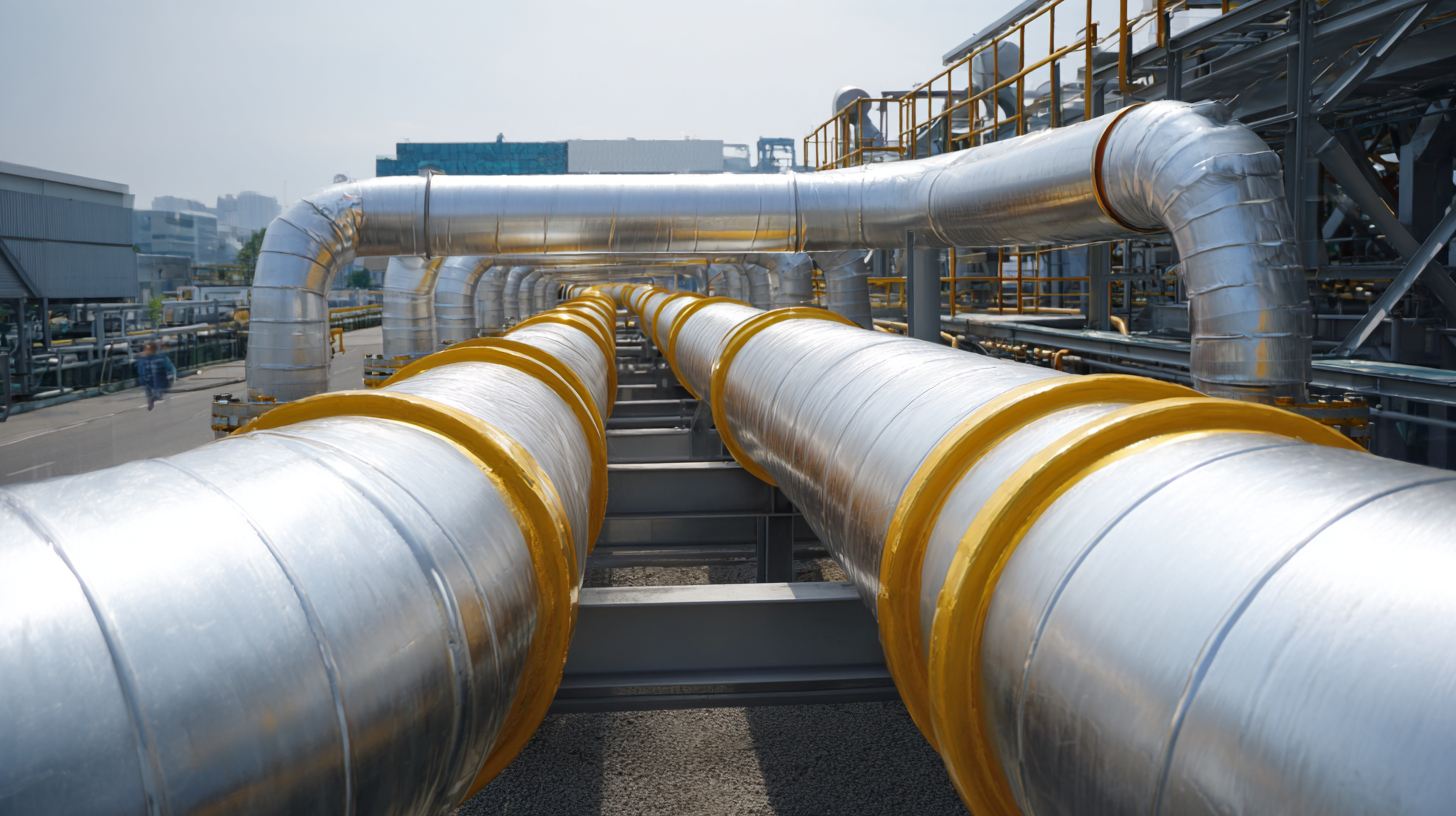
Advanced insulation materials really play a big part in making commercial spaces more energy-efficient. As everyone becomes more focused on sustainability and saving costs, businesses are increasingly exploring innovative insulation options. One of the standout choices right now is vacuum insulation panels, or VIPs for short. Studies show that VIPs offer incredible thermal resistance, making them perfect for buildings that need to meet strict energy performance standards. Plus, they’re lightweight and slim, so they can be added into existing structures pretty easily without taking up much space.
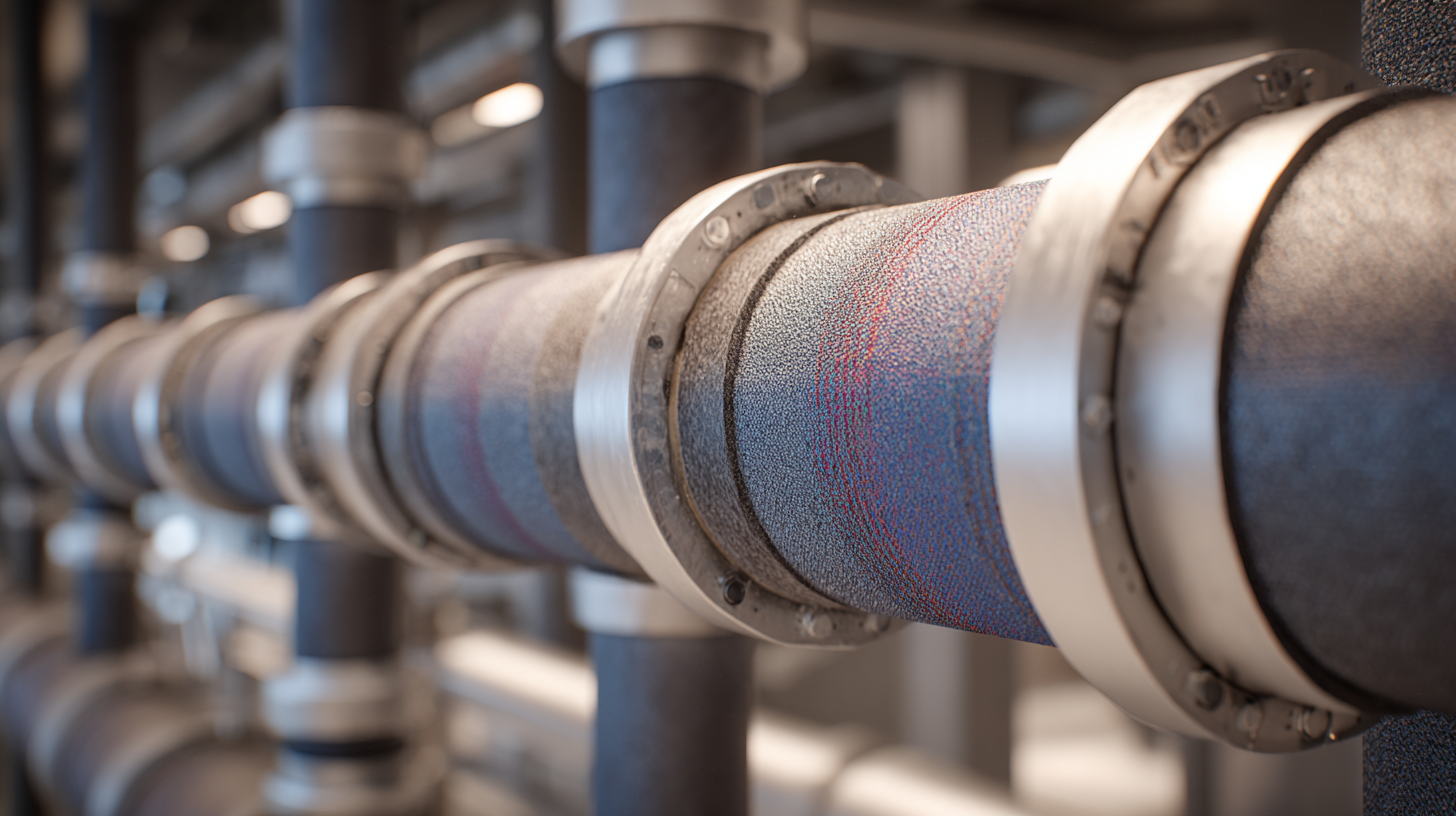
Another cool development in insulation tech is radiant barrier insulation. The global market for this stuff is growing fast, and experts predict it’ll keep expanding strongly over the next few years. What’s great about radiant barriers is that they reflect heat away from indoor spaces, helping to keep things cooler and cutting down on cooling costs. They also boost comfort inside buildings. By using advanced materials like VIPs and radiant barriers, commercial properties can really cut down on energy bills, which means saving money in the long run and being kinder to the environment. So, yeah — modern insulation options are all about efficiency, comfort, and sustainability.
When you're trying to get the most out of your energy efficiency efforts, choosing the right insulation stuff really makes a difference, you know? If you take a peek at different insulation options, you'll see there's quite a spread—not just in how much they cost upfront but also in how much you save on energy in the long run. For example, a recent report from the U.S. Department of Energy pointed out that fancy insulation materials like fiberglass and spray foam can cut your energy bills by up to 30% compared to the old-school methods. That’s a huge deal, especially if you’re dealing with big buildings where energy use really adds up.
**Pro tip:** When you're looking at insulation choices, don’t just focus on what it costs to install. Think about how much you'll save energy-wise over the lifespan of the material. Sure, spray foam might cost more at the start, but because it seals up the space so well, it can pay for itself pretty quickly thanks to lower heating and cooling bills.
And don’t forget about how thick you go with your insulation; that’s a game-changer too. The National Insulation Association actually suggests that thicker insulation can bump up the R-value, making your home or building even more energy-efficient.
**Another tip:** Make sure you check out your local building codes and any energy guidelines before you pick your insulation. You want to be sure it checks all the boxes for your project. Basically, weighing how much a certain insulation costs versus how much you stand to save on energy down the line is the way to go if you’re serious about getting the most bang for your buck and cutting down on energy waste.
When it comes to putting in advanced insulation solutions, it’s not just about choosing the right materials — you gotta have a solid plan for how you install them, too. First off, investing in good-quality insulation like fiberglass, foam, or mineral wool can really make a difference by cutting down heat loss and boosting energy efficiency. These materials are designed to handle different environmental stresses and prevent thermal bridging, which is super important. When you're picking insulation, think about what it’s going to face—like extreme temperatures or humidity—as that stuff really impacts how long it lasts and how well it works.
But, honestly, just picking the right material isn’t enough. How you install it totally matters. Insulation needs to fit snugly around pipes and tricky spots, with no gaps or squeezing it too tight—that can cause energy leaks. Using modern sealing techniques like spray foam or special tapes can help make sure everything stays sealed up tight, so you don’t end up with drafts. Also, in those hard-to-reach places, adding insulation wraps or using pre-made insulation panels can make life way easier and make sure nothing gets missed. Follow these simple tips, and pretty soon, you’ll see a big difference in your energy bills — whether it’s at home or running a business, saving on heating and cooling costs is a real win.
Lately, advanced pipe insulation techniques have been really catching people’s attention when it comes to boosting energy efficiency. I mean, a study by ASHRAE—yeah, the guys into heating and cooling—found that good insulation can slash energy loss in piping systems by up to 90%. That’s a game-changer! Not only does this mean companies can save a ton on their bills, but it also helps cut down their carbon footprints quite a bit.
Take, for example, a big manufacturing plant that decided to upgrade its steam pipes with some high-performance fiberglass insulation. The results? Basically mind-blowing—about a 20% cut in energy use, which saved them over $50,000 a year. And then there’s this oil refinery that went all-in with fancy materials like aerogel. They managed to reduce heat loss by roughly 30%. These stories really show how powerful new insulation tech can be. Investing in top-notch insulation isn’t just about ticking boxes for regulations; it’s also a smart move for sustainability and saving some serious cash in the long run.
Hey, have you heard about the latest trends in pipe insulation? They’re pretty exciting because they could totally change how we think about energy efficiency across homes, businesses, and factories. Old-school insulation methods? Sure, they work to some extent, but honestly, they often don’t keep up with the ever-changing demands of modern heating and cooling systems. Now, there are some really cool innovations coming up, like aerogel-based insulators and phase change materials—that’s a mouthful, I know—but these are really stepping up the game. They boost thermal performance a lot, meaning they do a better job of stopping heat from escaping, helping us keep temperatures just right and cutting down on energy bills in the long run.
And it gets even more interesting with smart insulation tech. Imagine sensors built right into the insulation that can track temperature changes and energy use on the spot. That data allows for smarter control of your system, making everything more efficient. It’s like having a little energy analyst right there in your walls! This kind of tech offers valuable insights that can help tweak your setup for maximum savings. As these technologies keep evolving, I think they’re going to be essential in building a more sustainable energy future.
So, whether you’re a homeowner or running a business, it’s definitely worth keeping an eye on these developments and thinking about how to jump on board sooner rather than later.
: Investing in high-quality insulation materials, such as fiberglass, foam, or mineral wool, can significantly reduce heat loss and improve energy efficiency.
Material selection is crucial as it needs to consider specific applications like temperature extremes and moisture exposure, which greatly influence performance and longevity.
Proper installation is critical; insulation should fit snugly around pipes to prevent gaps or compressions that could lead to energy loss.
Utilizing advanced sealing methods such as spray foam or specialized tapes can enhance continuity and minimize air leakage.
Incorporating insulation wraps or using pre-fabricated insulation products can help streamline the installation process and ensure comprehensive coverage.
Innovations like aerogel-based insulators and phase change materials (PCMs) promise improved thermal performance, contributing to lower energy consumption.
Smart insulation technologies with embedded sensors can monitor temperature and energy usage in real-time, allowing for optimized control strategies to enhance efficiency.
Data-driven approaches provide valuable insights into system performance, enabling adjustments that can significantly impact overall energy use.
By adopting these cutting-edge technologies, businesses and homeowners can enhance energy efficiency, reduce operating costs, and contribute to a sustainable energy future.
In our 'Pipe Insulation Guide,' we really get into how important pipe insulation is when it comes to boosting energy efficiency in commercial buildings. Honestly, understanding the ins and outs of good insulation techniques is a game-changer—it can save you a ton of money and help your systems run cooler and more effectively. There are some pretty innovative insulation materials out there now, especially those from Jiangxi Jiecheng New Materials Co., Ltd., which are designed to handle high temperatures while still keeping energy use on point.
We’ve put together a comparison of different insulation methods, looking at how much they cost upfront versus the savings they can bring over time. Plus, we share some practical tips on how to get these advanced insulation solutions up and running. To really bring things to life, we include some real-world case studies showing how companies have successfully used these techs to maximize energy savings. It’s exciting to see how the latest pipe insulation innovations are shaping the future of energy conservation. Armed with these insights, businesses can make smarter choices to improve their energy strategies and make the most out of their insulation investments.


