Welcome to JIECHENG



Leave Your Message
Welcome to JIECHENG
Lately, there’s been a pretty big jump in the demand for Heat Resistant Insulation Tape. It’s mainly because industries like automotive, aerospace, and electronics are pushing forward with new advancements. If you’ve seen the latest industry reports, they’re saying the global market for heat-resistant materials could hit around USD 6.3 billion by 2025. That’s a pretty solid growth, with an annual rate of about 5.7% from 2020 to 2025.
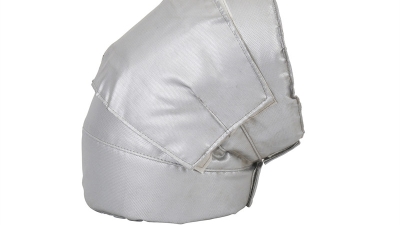
Jiangxi Jiecheng New Materials Co., Ltd. is really staying ahead of the curvehere. They focus on high-temperature insulation products that can be used in all sorts of applications. Their dedication to making top-notch detachable Thermal Insulation Sleeves and high-temp insulation boards lines up perfectly with what the industry’s demanding now—more safety, better efficiency, and a focus on sustainability.Thanks to ongoing R&D, they’re well-equipped to keep up with what customers need and are definitely shaping the future of thermal management solutions.
Heat-resistant insulation tape is pretty much a must-have in various industries these days. It comes with some pretty important features that help improve both safety and efficiency. For example, it offers excellent thermal resistance, holds up well even in super tough conditions, and is quite versatile—can be used in all sorts of applications. I was just reading a recent report by Grand View Research, and it says that the demand for this kind of tape is expected to hit around $1.2 billion by 2026. That’s a solid growth, about 5.4% annually since 2021. The main drivers? Industries like aerospace, automotive, and manufacturing are pouring more into solutions that help manage heat and prevent energy loss, which really boosts the market.
What really stands out about heat-resistant tape is how it can handle temps over 500°F. That makes it perfect for stuff like electrical insulation or thermal barriers. Take the auto industry, for example—they use special heat-resistant adhesive tapes on exhaust systems and engine parts to keep everything running smoothly and safely. Plus, with more companies leaning toward eco-friendly materials these days, there’s a shift toward silicone and glass fiber tapes that meet tough environmental standards—pretty cool, right? As industries keep evolving, understanding what makes these tapes useful and what features to look out for is key for any business wanting to stay ahead of the game and make smart choices about heat insulation solutions.
Lately, heat-resistant insulation tape has really been catching attention, especially because it plays such a vital role in industries like automotive, aerospace, and electronics. Thanks to new materials and tech, the whole market is changing fast. In fact, a report from MarketsandMarkets suggests we’re looking at more than 6% annual growth between 2021 and 2026. One cool development is silicone-based tapes — they’re way better at handling high temps and are more flexible than the old polyester or vinyl types we used to see.
You know, the demand for heat-resistant insulation tapes really depends a lot on different industries that need solid thermal management solutions. For example, in sectors like aerospace and automotive — where things get really hot — companies are turning more and more to these specialized tapes to boost both performance and safety. With all the strict energy efficiency and safety rules now, there’s a real push for materials that can handle extreme conditions without losing their effectiveness.
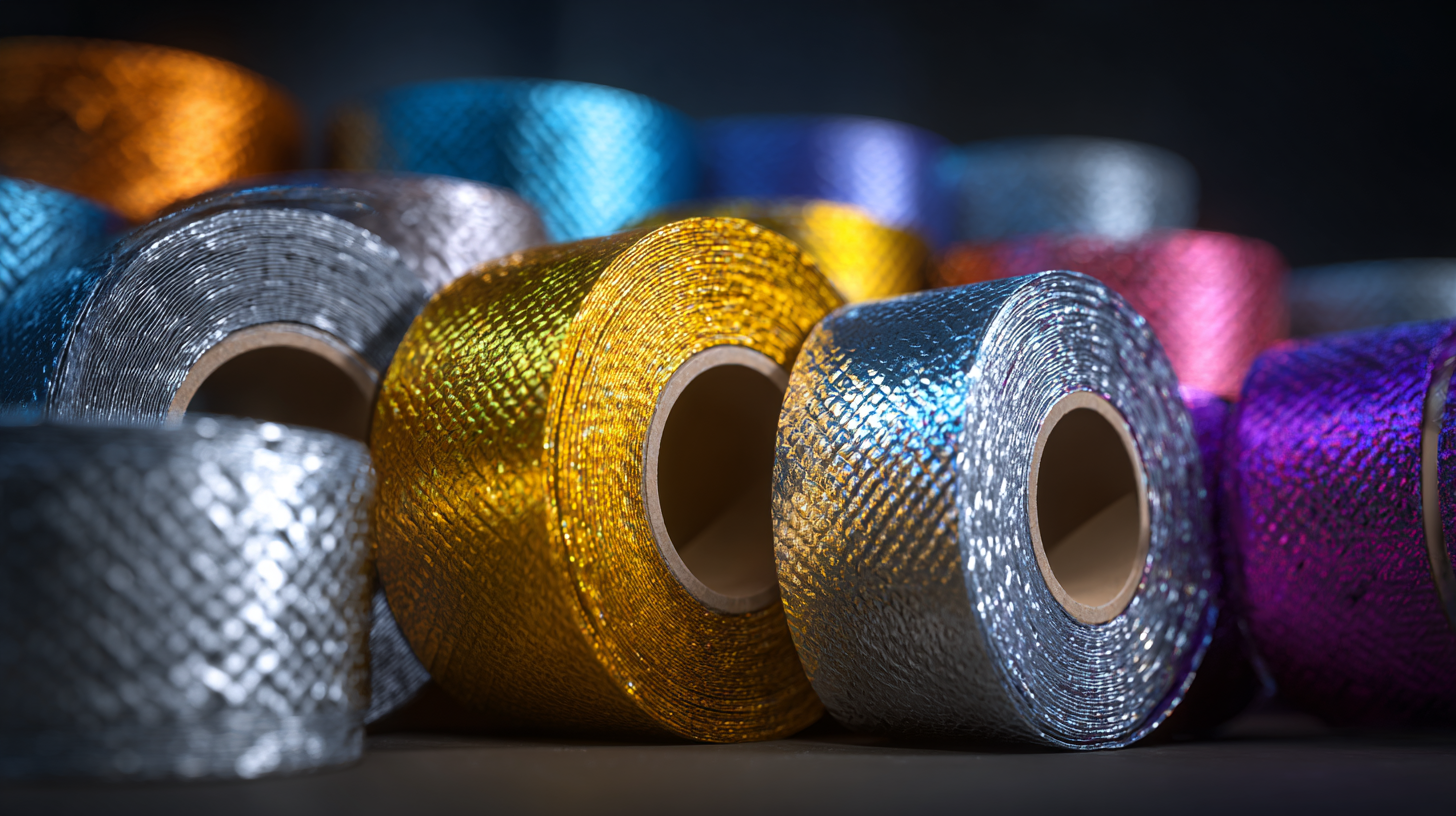
On top of that, the electronics world is a big part of why we’re seeing more interest in heat-resistant tapes. As gadgets get smaller but more powerful, managing heat becomes super critical. These tapes don’t just insulate; they also help make electronic parts last longer. And with tech getting more compact and advanced in everything from smartphones to wearables, having dependable thermal solutions isn’t just a bonus — it’s a must.
All this means companies are constantly improving materials and manufacturing processes to keep up with what industries need. In the end, heat management is becoming more and more central to how new products are designed and built.
Overall, it’s an exciting time for this market—innovation’s happening fast, and these tapes are playing a key role in helping industries meet their cooling challenges.
You know, the market for heat-resistant insulation tape is moving fast these days. Companies that are leading the charge are really stepping up their game — coming out with products that not only handle higher temps better but are also much easier to use. Take Brand A, for example. They've just launched a new line of tapes that use some pretty advanced polymer tech, which means they’re tougher, more heat-resistant, and last longer. That’s a big deal because it cuts down the risk of the tape failing when things get really hot. Industries like aerospace and automotive love it — it’s becoming their go-to choice.
On the flip side, Brand B is really digging into eco-friendly vibes. They’ve rolled out a range of heat resistant tapes made from sustainable materials. Not only does this help with environmental issues, but it’s also super appealing to folks who are more conscious about their ecological footprint these days. They’re even using biodegradable parts to make their tapes more eco-friendly. That kind of move sets them apart as the market gets more competitive. As both brands keep pushing the limits with new tech and greener options, it looks like they're not just maintaining the status quo — they’re reshaping what heat-resistant insulation tapes can do, all while keeping a close ear to what consumers want and expect from the industry.
You know, as more and industries start really paying attention to sustainability, the whole future of heat-resistant insulation tapes is heading toward greener options. I mean, the traditional materials can be a pain when it comes to disposal and their environmental impact, right? Luckily, some forward-thinking companies are pouring resources into research to come up with sustainable alternatives—stuff like tapes made from natural fibers or bio-based adhesives. These innovations don’t just cut down on harm to the environment; they also keep the high standards we expect for tough, demanding jobs.
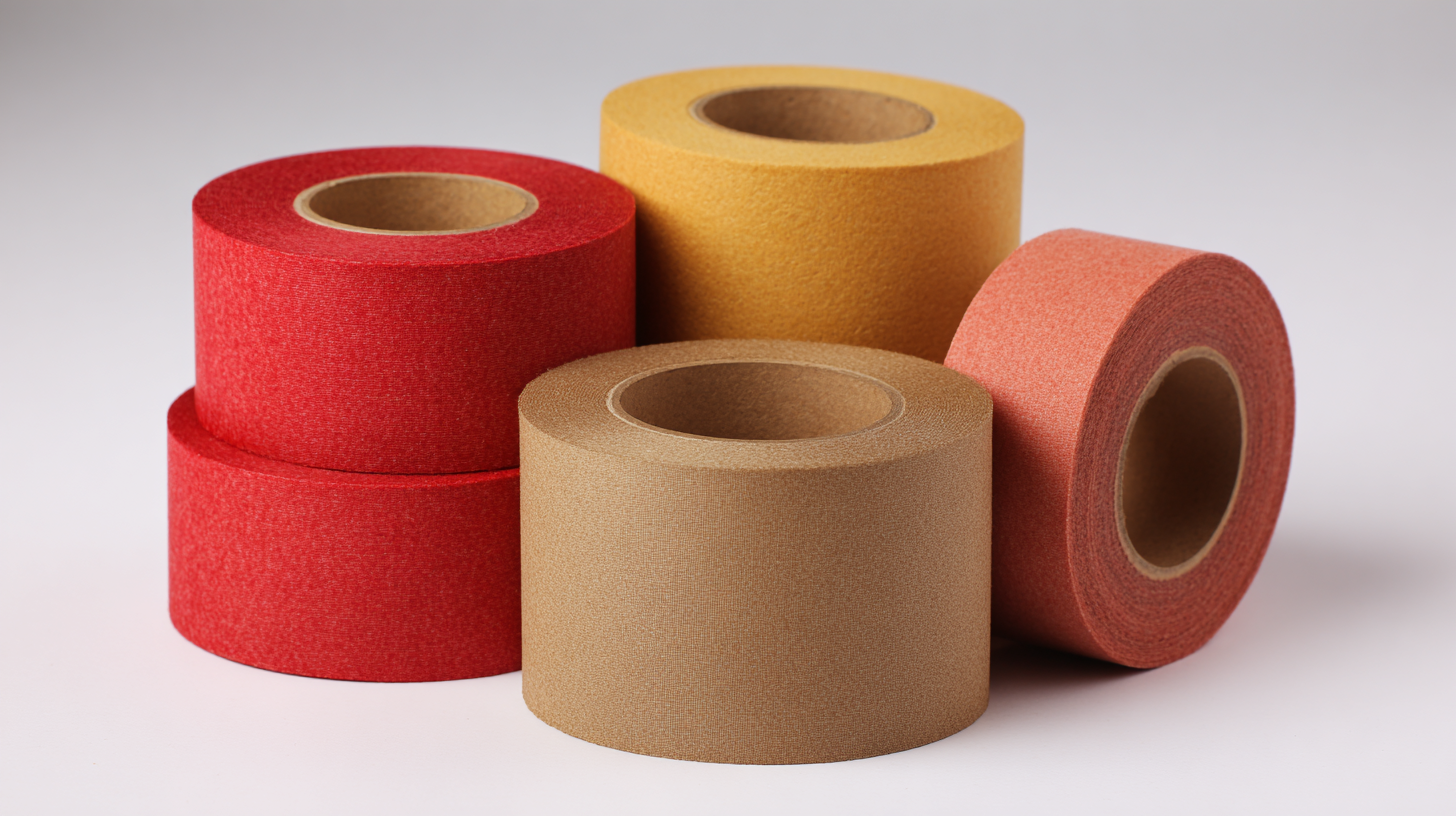
What’s driving this shift? Well, it’s a mix of rules and just regular consumers really caring about greener choices. Companies see that staying eco-friendly isn’t just good PR—it’s becoming essential. And honestly, this change opens up some pretty exciting opportunities in the market. We’re probably going to see a cool mix of the old-school insulation qualities combined with new, eco-conscious practices. All in all, the future looks like it’s heading toward heat-resistant insulation tapes that are not only effective but also better for our planet—pretty awesome, if you ask me.
The world of heat-resistant insulation tapes is changing pretty quickly, especially as industries keep pushing the limits of what's possible in extreme temperature environments. Lately, there's been some exciting research in materials science showing that nanostructured thermal barrier coatings—yeah, those super advanced coatings—can really boost how well things perform under intense heat. It’s kind of promising when you think about how those ideas might translate into better insulation tapes. These new materials aren’t just about lasting longer under thermal stress; they also fit right into all sorts of industrial processes—from aerospace adventures to power generation pretty seamlessly.
And here's a neat twist—tech like machine learning is starting to play a bigger role in how we think about insulation. For instance, some recent studies comparing nine different machine learning models show they can pretty accurately predict things like temperature and humidity in solar panel setups. That’s pretty important because it underscores how essential effective heat-resistant solutions really are. Plus, with perovskite solar cells showing they can hold up in extreme conditions, it kinda proves that understanding how environmental factors interact with materials is key to coming up with smarter, more durable insulation solutions. Looking ahead, developments like high-temperature fibers and better dielectric films suggest that heat-resistant tapes are going to be a big deal for keeping everything running smoothly in tough, demanding environments.
In the quest for energy efficiency, the petrochemical industry is increasingly turning to innovative solutions that enhance performance while reducing energy consumption. One such solution is the use of removable insulation jackets, designed to optimize thermal management in varying operational environments. These jackets, capable of withstanding temperatures ranging from -70°C to 1000°C, are exceptionally versatile and effectively minimize heat loss in processes that utilize high-temperature fluids.
The unique properties of these insulation jackets contribute to their effectiveness. With a thermal conductivity of less than 0.035 W/(m·K) at normal temperatures, they ensure superior thermal insulation, making them an invaluable asset for maintaining optimal operating conditions. Their durable material boasts a density of 100-200 kg/m3 and a thickness of 35-50 mm, providing both lightweight and robust insulation. Furthermore, these jackets are designed to be flame retardant, classified as A grade non-flammable, and exhibit remarkable anti-corrosion properties, including resistance to acids, alkalis, water, and oil. With a lifespan exceeding 10 years, these insulation jackets offer not only immediate energy-saving benefits but also long-term cost efficiency for petrochemical plants.
: The demand for heat resistant insulation tape is being driven primarily by the aerospace, automotive, and electronics industries, which require advanced thermal management solutions.
In the electronics industry, heat resistant insulation tapes manage heat dissipation effectively, enhancing the durability of compact and powerful electronic components.
Manufacturers are investing in research and development to create sustainable alternatives, such as tapes made from natural fibers and bio-based adhesives, to address environmental concerns.
The future of heat resistant insulation tapes is influenced by sustainability trends, regulatory requirements, and consumer preferences for environmentally friendly products.
Eco-friendly alternatives maintain high performance standards required in demanding applications, ensuring that they are effective despite their sustainable materials.
Trends towards miniaturization in electronics and the integration of advanced technology are expected to propel innovation in the heat resistant insulation tape market.
The shift towards sustainability motivates companies to adopt solutions that reflect their commitment to the environment, creating opportunities for products that combine effective insulation with environmental integrity.
Regulatory requirements are promoting the use of eco-friendly materials in insulation tapes, compelling manufacturers to adapt to these standards.
Durability is crucial for heat resistant insulation tapes as it ensures the long-lasting performance of electronic components under extreme conditions.
Miniaturization necessitates reliable thermal solutions, driving innovation and increasing demand for effective insulation tapes that can manage heat dissipation in smaller devices.
When you think about the future of heat-resistant insulation tape, it’s pretty clear how important its main features and benefits are across different industries. This kind of tape has really become a go-to solution for handling super hot or cold environments, giving them the insulation strength needed to keep things safe and running smoothly. And with new materials and tech popping up all the time, we're getting lighter, tougher options that meet the rising demand for top-quality insulation solutions.
If you look at the market, you’ll see a clear trend: sectors like aerospace, automotive, and manufacturing are all craving better temperature control. Companies such as Jiangxi Jiecheng New Materials Co., Ltd. are leading the way here, focusing on high-temp insulation stuff and constantly innovating to stay ahead of the curve. Looking ahead, everyone’s talking about sustainability and eco-friendly options — and that’s definitely going to influence future innovations, pushing the boundaries of heat resistance and insulation tech even further.