Welcome to JIECHENG



Leave Your Message
Welcome to JIECHENG
Hey, in today’s industrial world, choosing the right heat-resistant fabric isn’t just a good idea — it’s actually crucial, especially in fields where surviving really high temperatures matters a lot. I mean, a report from MarketsandMarkets predicted that the global market for these materials will hit around USD 24.2 billion by 2025 — that’s quite an eye-opener! You can see industries like aerospace, automotive, and electronics driving this crazy growth. Here’s the thing: Jiangxi Jiecheng New Materials Co., Ltd. is pretty much a pro in this space. They focus on high-temperature insulation stuff — think detachable Thermal Insulation Sleeves and boards that stand up to the heat. Their dedication to quality and innovation means businesses can count on them to handle their thermal insulation needs without a hitch. As industries keep changing and pushing the boundaries, the importance of heat-resistant materials is only going to grow. Picking the right fabric isn’t just about ticking boxes — it’s about keeping everything running smoothly and safe, no matter how hot things get.
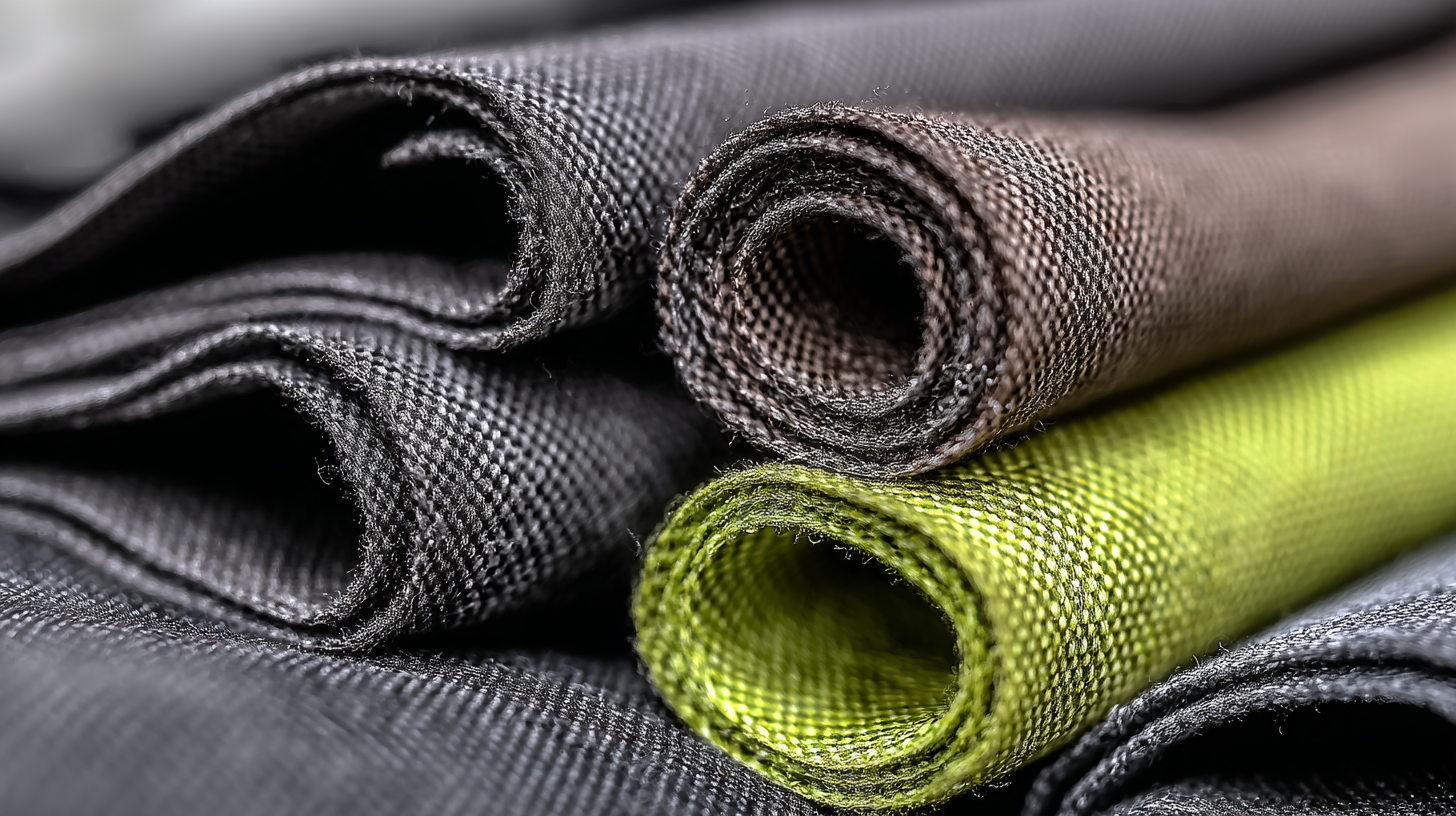
When you're dealing with industrial environments, picking the right materials really makes a big difference—especially when it comes to heat-resistant fabrics. Did you know that, back in 2021, the global market for these fabrics hit around $4.45 billion? And it’s not slowing down either—it’s expected to grow by about 7.1% each year up to 2028. That’s pretty telling, right? It shows how much people are increasingly aware of workplace safety and how crucial protective gear has become across industries like manufacturing, construction, or firefighting.
Heat-resistant fabrics are a must-have in places where super high temperatures can pose serious safety risks. Take fires, for example—according to the National Fire Protection Association, there were over 1.3 million fires reported in the US just in 2019. That really highlights why having gear that can resist extreme heat is so vital. Using high-tech materials like aramid fibers or specially treated cotton doesn’t just keep workers safer from thermal hazards; it also makes workwear last longer. That means fewer replacements and less money spent on injuries and repairs over time. These days, meeting safety standards isn’t just optional—it’s a must for any industrial operation thinking long-term. Investing in good heat-resistant fabrics isn’t just smart; it’s essential.
When you're choosing heat-resistant fabrics for industrial use, there are a few key things you really want to keep in mind. First off, the fabric has to handle the temperatures it'll be exposed to—that's super important. You know, it’s gotta stand up to the heat levels specific to the environment, so it doesn't fall apart or pose any safety risks. Materials like aramid, fiberglass, and silicone-coated fabrics are pretty popular because they’re really good at blocking out extreme heat, so they keep things safe and durable even under tough conditions.
Another thing to think about is how well the fabric insulates. Basically, you want it to stop heat from passing through, which helps protect workers and equipment alike. And don’t forget about how heavy or flexible the fabric is—it’s super helpful if it’s lightweight but still easy to move around in, especially in busy industrial settings. Oh, and resistance to chemicals and wear and tear? Big plus. These fabrics often face rough conditions, so they need to hold up well over time. If you focus on these factors, you’ll be better equipped to pick fabrics that really meet safety standards and keep things running smoothly.
When you're trying to pick out heat-resistant fabrics for industrial use, it's pretty important to get a good handle on how to figure out just how heat-resistant different materials really are. Fabrics can vary a lot in their ability to handle heat — mainly because of what they're made of, how they're woven, and how they've been finished. So, to really understand if a fabric can stand the heat, you gotta look at the highest temperature it can handle without starting to break down. You can usually find this info in the manufacturer's specs, or sometimes through testing methods like ASTM D6413, which checks for flame resistance.
Another key thing to think about is the fabric’s thermal conductivity — basically, how well it transfers heat. If you're dealing with stuff that needs to keep heat in, you'd want fabrics with low thermal conductivity. But if high temperatures are involved and you need the heat to escape quickly, then fabrics designed for that should do the trick. Plus, it’s super important to see how the fabric performs in real-world conditions, because things like moisture, pressure, or just how long it’s exposed to heat, can totally change how well it works. Doing proper tests and evaluations like these really helps make sure you pick the right fabric for the specific heat needs of your industrial setting, keeping safety and performance in check.
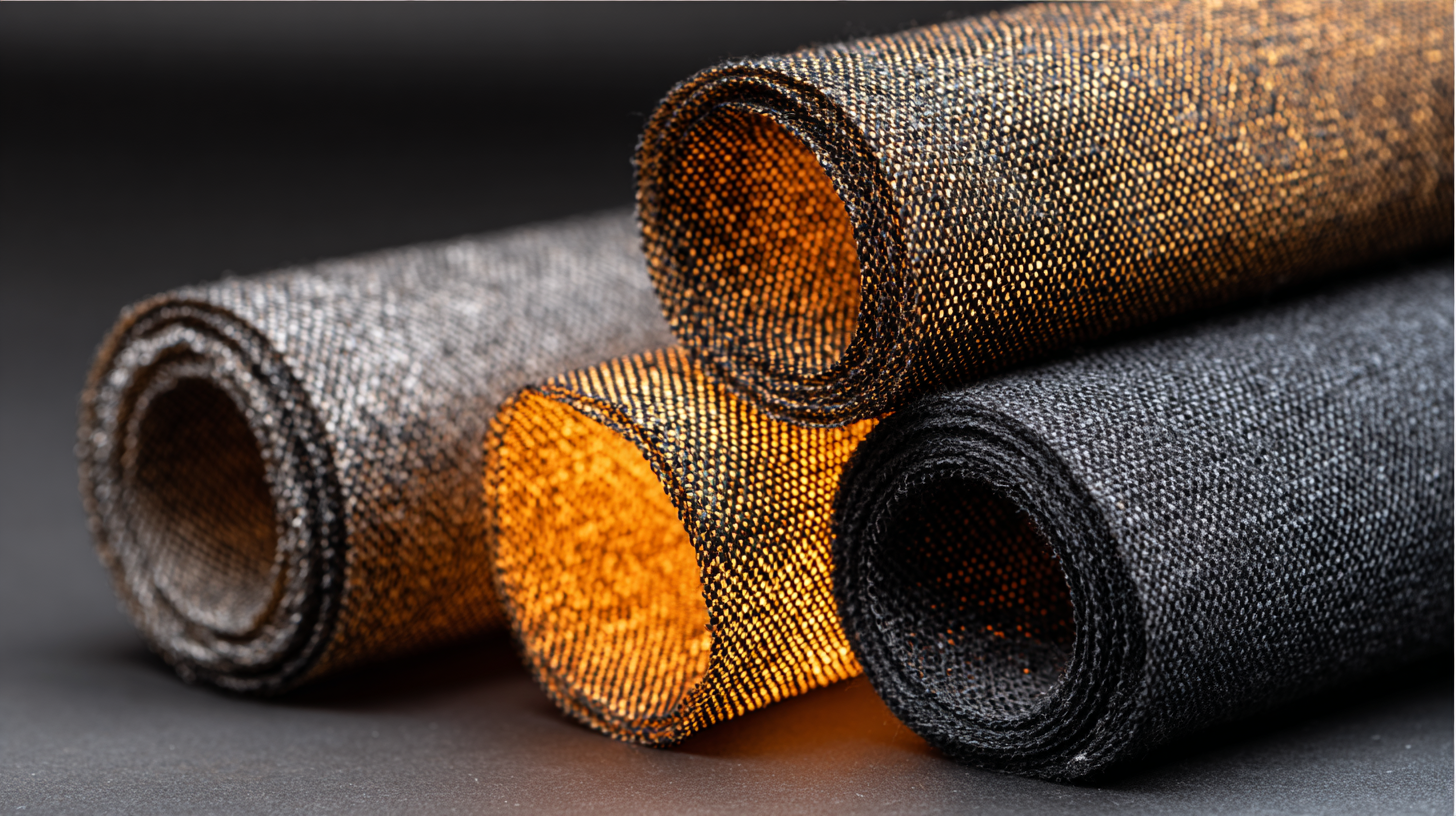
Heat-resistant fabrics are pretty much essential in a bunch of industrial settings where dealing with high temperatures is just part of the daily grind. Take the automotive world, for example — they’re used for heat shields, Insulation Blankets, and even protective gear for workers on the shop floor. These materials are built to handle super hot conditions, helping prevent burns and injuries, while still staying tough and intact. That’s a big win, not only for keeping workers safe but also for safeguarding delicate automotive parts from heat damage.
Then you’ve got the aerospace industry. In that field, heat-resistant fabrics are a vital part of keeping aircraft safe and running smoothly. They’re used to insulate engines and structural parts that face crazy high temperatures during flight. Plus, they’re key in making fire-resistant gear for pilots and crew — stuff that could really come in handy if things go sideways. All in all, the durability and versatility of these fabrics make them a must-have for protecting both the equipment and the people working in some of the toughest, hottest environments out there.
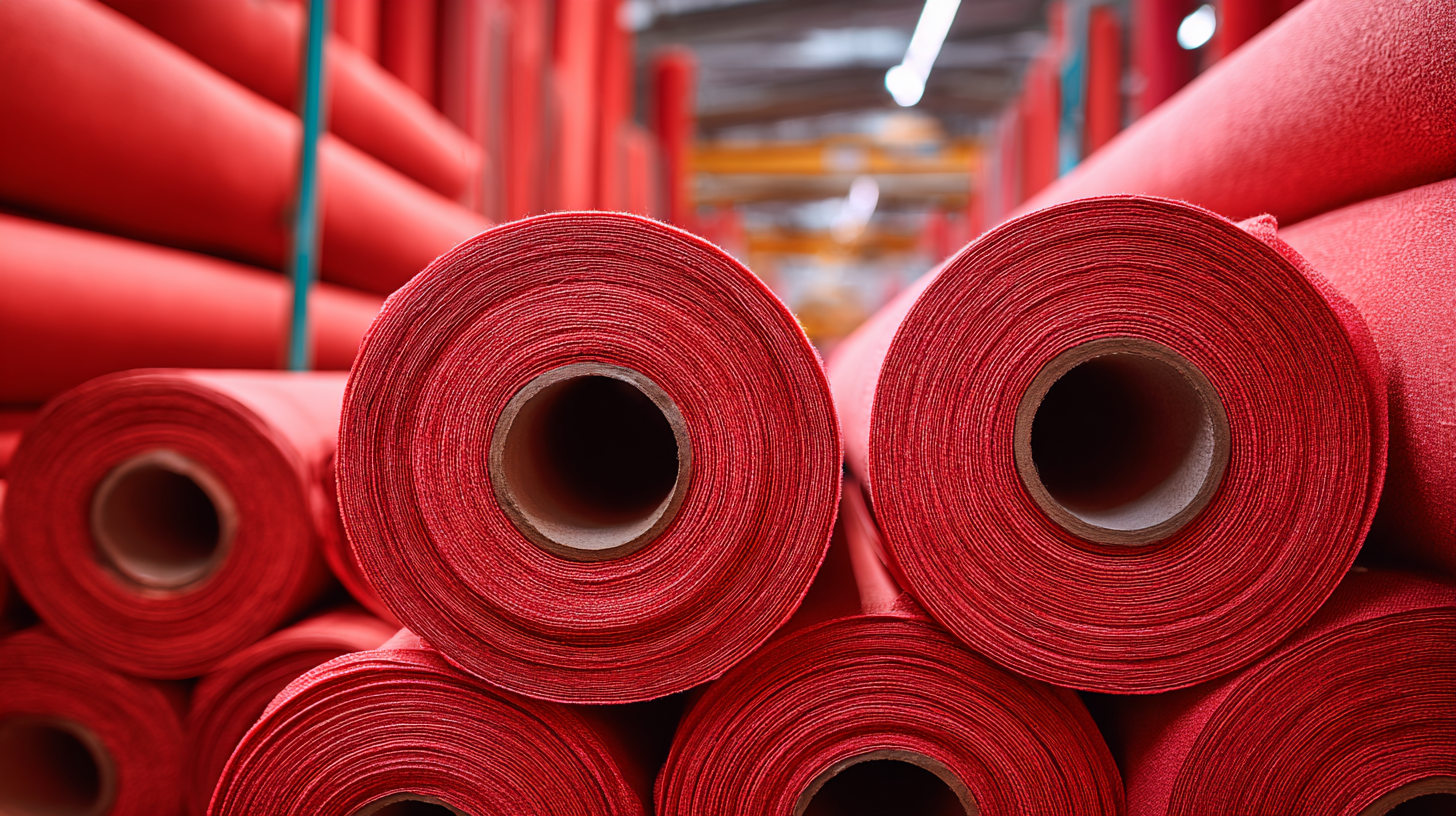
Heat-resistant fabrics are pretty essential in a bunch of industrial settings—they keep people safe and help stuff last longer, even in really tough conditions. But, to make sure these fabrics stay in good shape and do their job, proper care is a must. Did you know that nearly 35,000 workplace fires happen every year in the U.S., according to the National Fire Protection Association? That just goes to show why investing in quality heat-resistant gear—and keeping it well-maintained—is so important.
A few tips for keeping these fabrics in top condition? First off, it’s smart to regularly check for any signs of wear and tear—these quick inspections can really extend the life of your protective equipment. Make sure to follow the manufacturer's cleaning instructions, because using the wrong methods can actually weaken the fabric’s protective qualities. Also, applying a good protective spray can boost its resistance to extreme heat and chemical damage. And don’t forget, storing your gear in a dry, cool spot helps prevent deterioration caused by moisture and heat.
Beyond just caring for the fabrics themselves, it’s a good idea to train your team on how to handle and maintain this gear properly. Industry reports show that companies who do this can cut workplace accidents by up to 25%. At the end of the day, paying attention to how these fabrics are maintained isn’t just about protecting equipment—it’s about keeping people safe and making things run smoothly.
When you're looking at heat-resistant fabrics for industrial use, it's super important to find that sweet spot between cost and performance. The right material isn't just about how well it handles high temperatures — it also plays a big role in how safe and efficient your operations are. Lately, there's been a lot of buzz around newer fabric technologies that offer better thermal protection without breaking the bank. For instance, some of the latest lightweight materials can perform really well under extreme conditions, all while keeping production costs in check.
Plus, if you dig into studies about fabrics used for things like evaporative cooling, it turns out that tightly woven fiber fabrics tend to be the winners in certain applications. They’re durable, efficient, and pretty reliable across different industrial processes. When choosing heat-resistant fabrics, it’s key for companies to think about their specific needs. Basically, go for options that give you long-term performance but are also budget-friendly—so your investment actually makes sense for your operations.
: The global market for heat-resistant fabrics was valued at approximately USD 4.45 billion in 2021.
The market is expected to expand at a compound annual growth rate (CAGR) of 7.1% through 2028.
Heat-resistant fabrics are crucial in environments with high temperatures, as they protect against serious safety risks and help comply with safety regulations.
Industries such as manufacturing, construction, and firefighting benefit from the use of heat-resistant fabrics.
Materials like aramid, fiberglass, and silicone-coated fabrics are known for their high resistance to heat.
Thermal insulation prevents heat transfer, providing protection for both workers and equipment in high-temperature environments.
Key properties to consider include temperature tolerance, thermal insulation capability, weight and flexibility, and resistance to chemicals and abrasion.
Advanced textiles enhance durability and reduce the frequency of fabric replacements and workplace injuries, leading to lower long-term costs.
The increasing awareness of workplace safety necessitates compliance to protect workers and minimize risks associated with workplace hazards.
Lightweight and flexible materials enhance mobility and ease of use, making them more effective for workers in various industrial applications.
When you're working in industrial environments, picking the right heat-resistant fabric is kind of a big deal. It’s essential for keeping things safe and running smoothly. These fabrics are crafted to handle really high temperatures, so they’re pretty much a must in settings where heat is a constant concern. If you’re choosing one, you’ll want to pay attention to things like how well it resists heat, how durable it is, and whether it’s flexible enough for your needs. Taking a close look at different fabrics’ heat resistance can really help you figure out what’s best for your specific situation.
You’ll find heat-resistant fabrics popping up in all sorts of industries — from manufacturing and aerospace to automotive work. Just a heads up: regular care and maintenance can really help these materials last longer and stay effective over time. And don’t forget, weighing the costs against how well they perform is a smart way to make better decisions—saving money while still getting the quality you need. Here at Jiangxi Jiecheng New Materials Co., Ltd., we’re all about high-temp insulation products, and we love creating custom solutions to fit whatever our clients need.


