Welcome to JIECHENG



Leave Your Message
Welcome to JIECHENG
When it comes to home maintenance, picking the right insulated water pipe covers is pretty important if you wanna keep your plumbing safe from the worst of those extreme temperatures. I remember chatting with Edgar Simmons—he’s a well-known insulation guy with tons of experience—and he told me, 'Choosing the right insulation for your pipes can save you a boatload of money on repairs and cut down on energy waste.' That really hits home, right? It’s all about understanding the different types of covers out there and how they can make your pipes last longer and work more efficiently.
Now, I gotta admit, trying to figure out which pipe covers to go for can feel a bit overwhelming because there are so many options. Things like your climate, what kind of pipes you have, and where you’re installing them all matter. Experts say you should think about insulation value, durability, and how easy it is to install—those little details can make a big difference in the long run. Picking the right cover isn’t just about fixing today; it’s about saving yourself headaches and money down the line.
All in all, spending a bit extra on good quality insulated pipe covers is a smart move. It helps prevent those annoying pipes from freezing up and also keeps your energy bills in check. Keep these tips in mind, and you’ll make smarter choices about your plumbing—making your home more reliable and ready for whatever weather throws at it. Trust me, it’s totally worth it!
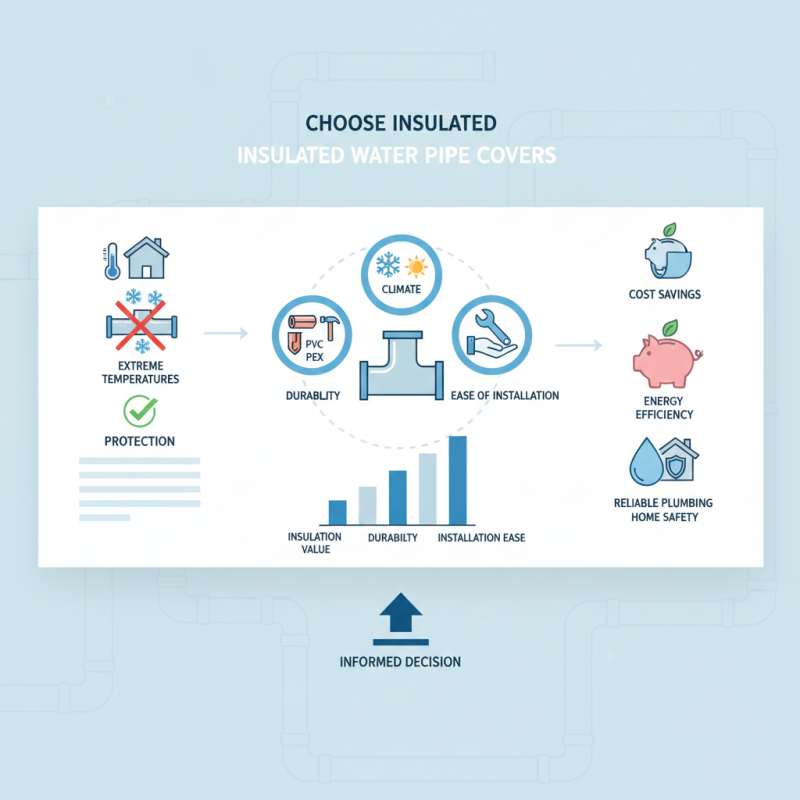
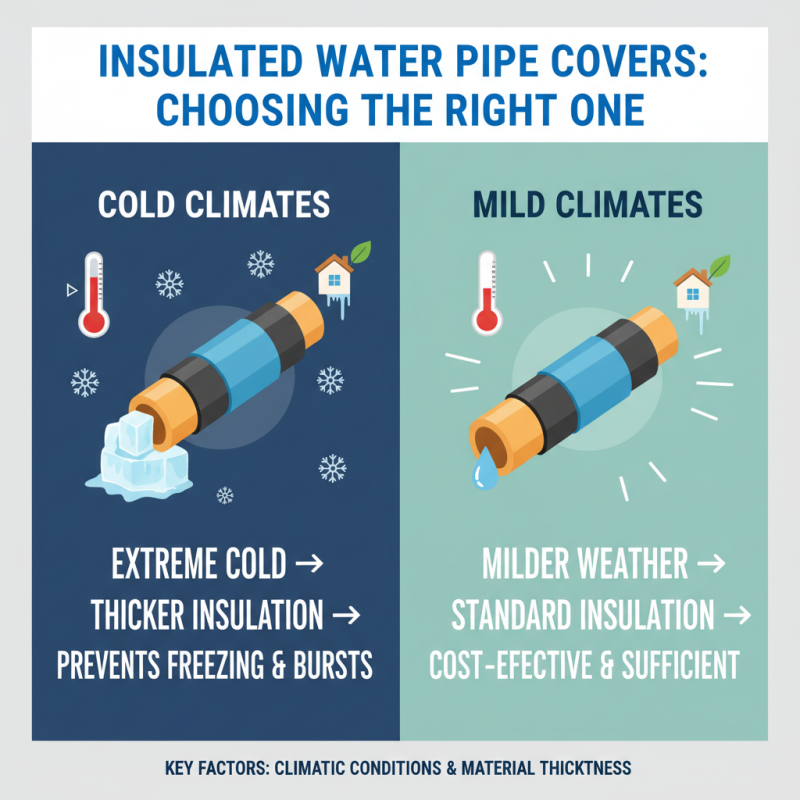
When selecting insulated water pipe covers for your home, several key factors should be taken into account to ensure optimal performance and durability. First, consider the climatic conditions of your area. If you live in a region that experiences extreme cold, you will need thicker Insulation Materials that can withstand freezing temperatures and prevent pipe bursts. Conversely, for milder climates, a standard insulation cover may suffice, allowing for a balance between cost and effectiveness.
Another important factor is the size and type of your water pipes. Insulated Covers come in various sizes and shapes to accommodate different pipe diameters and materials, such as PVC or copper. It is crucial to measure your pipes accurately to ensure a snug fit, as gaps can significantly reduce the efficiency of insulation. Additionally, look for covers that offer water and UV resistance if your pipes are exposed to the elements, as this will enhance their longevity and protect against wear and tear.
Lastly, consider the installation process and maintenance requirements of the insulated covers. Some products may feature self-adhesive backs or straps for easy application, while others may require additional tools for securing them in place. Ease of installation can save time and effort, especially for DIY enthusiasts. Moreover, think about how often you will need to inspect or replace the covers, as choosing low-maintenance options can be a significant advantage in sustaining the protective benefits over time.
When selecting insulated water pipe covers for your home, understanding the different types of insulation materials available is crucial. The effectiveness of insulation is measured by its R-value, which indicates how well the material resists heat flow. Common materials used for Pipe Insulation include foam, fiberglass, and rubber. According to the U.S. Department of Energy, using insulation with a higher R-value can reduce energy costs by up to 20% by minimizing heat loss or gain, making it an important aspect of household efficiency.
Foam insulation, often made from polyethylene or polyurethane, is lightweight and provides excellent thermal resistance. It is easy to install and typically comes in pre-formed sections that fit snugly around pipes. FiberGlass Insulation, on the other hand, is known for its durability and moisture resistance, making it a suitable choice for areas with high humidity. A study from the National Insulation Association indicates that insulating hot water pipes with fiberglass can maintain water temperature effectively, leading to energy savings of approximately 10% over time. Rubber insulation is another viable option, offering flexibility and a good seal against condensation, which helps prevent water damage in colder climates.
Choosing the right type of insulation not only impacts energy efficiency but also the longevity of your plumbing system. By investing in quality insulated water pipe covers that utilize advanced materials, homeowners can enhance their overall comfort while contributing to energy conservation efforts. Furthermore, as the market for energy-efficient home improvements continues to grow, more research highlights the long-term benefits of such insulation solutions, emphasizing their role in sustainable living.
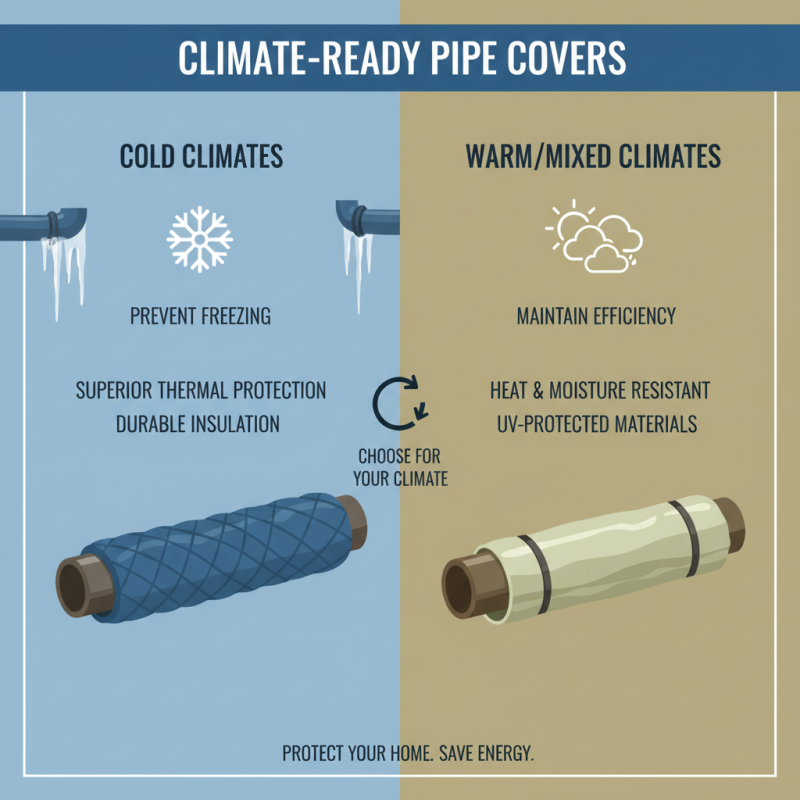
When selecting insulated water pipe covers for your home, understanding the climate impact is crucial. Different climates pose varying challenges to your plumbing system, affecting not just energy efficiency but also the durability of the insulation materials used. For instance, in colder regions, pipe covers that provide superior thermal protection are essential to prevent freezing, which can lead to costly damages. Homeowners should look for products designed to withstand their specific climate conditions, ensuring pipes remain protected throughout the winter months.
In warmer climates, the focus may shift towards preventing heat loss and mitigating the risk of condensation. Insulated covers can help maintain optimal water temperatures, reducing the workload on water heaters. Additionally, the materials used in insulation should be eco-friendly, as selecting sustainable options can reflect a commitment to environmental responsibility. Assessing the climate impact of insulated water pipe covers ensures that not only do they perform well in keeping your pipes secure but also contribute positively to energy conservation and reduced environmental footprints in varying weather conditions.
When it comes to insulating your water pipes, proper sizing and fit are crucial to ensuring efficiency and avoiding heat loss. Start by measuring the diameter of your pipes accurately. Use a tape measure to find the width of the pipe, making sure to account for any variations in size along its length. It's essential to also consider the shape of the pipes; for example, if they are not perfectly round or if they have unconventional bends or fittings, this may affect the type of insulation cover you'll need.
Next, measure the length of the pipes that require insulation. This measurement will help you determine how much coverage you'll need and whether you can use long, continuous sections or if you need to cut the insulation to fit particular areas. Pay attention to sections of the pipe that may be more exposed to cold elements, as these areas may need additional insulation. By taking precise measurements and considering the unique aspects of your plumbing system, you'll be able to select the most suitable insulated water pipe covers that provide maximum protection against freezing temperatures.
| Pipe Type | Diameter Range (inches) | Recommended Cover Length (ft) | Material Type | Insulation Rating (R-value) |
|---|---|---|---|---|
| Copper | 0.5 - 2 | 6 | Foam | R-8 |
| PVC | 1 - 3 | 10 | Fiberglass | R-12 |
| PEX | 0.75 - 1.5 | 8 | Closed Cell Foam | R-9 |
| Steel | 1.5 - 4 | 12 | Mineral Wool | R-14 |
When it comes to installing insulated water pipe covers, proper installation is crucial for maximizing their effectiveness. First, ensure that the pipes are clean and dry before applying the covers. Any moisture or debris can compromise the insulating properties and lead to issues like mold growth. Measure the length and diameter of your pipes accurately, as this will help you choose the right size of insulation covers. Additionally, cut the covers to fit snugly around the pipes, ensuring minimal gaps that could allow cold air in.
Another important aspect is to secure the pipe covers properly. Use insulation tape or straps to fasten the covers in place, especially around joints and bends where heat loss is most likely to occur. It’s advisable to insulate both hot and cold water pipes; this helps in maintaining temperature, reducing energy costs, and preventing frozen pipes in colder climates. Consider also insulating any exposed sections of pipes, such as those in unconditioned spaces like basements or attics. Following these installation tips will promote efficient use, ensuring your home remains energy-efficient and comfortable.
When it comes to maintaining insulated water pipe covers, proper care is essential for ensuring longevity and efficiency. Research by the American Society of Plumbing Engineers indicates that well-maintained insulation can reduce heat loss in water pipes by up to 80%, significantly lowering energy costs over time. Regular inspections should be conducted to check for signs of wear, moisture accumulation, or damage. Addressing small issues promptly can prevent larger, more costly repairs in the future.
In addition to regular inspections, cleaning insulated covers is crucial for their performance. Dust and debris can accumulate on the surface, reducing insulation effectiveness. Experts recommend using a damp cloth and mild detergent for cleaning, taking care to avoid excessive moisture that could compromise the insulation material. According to a report from the U.S. Department of Energy, proper maintenance can extend the life of your insulated pipe covers by 15-20 years, offering homeowners significant savings in replacement costs. Implementing these maintenance guidelines will ensure that your insulated water pipe covers continue to perform effectively, contributing to both energy efficiency and overall home comfort.
When considering insulated water pipe covers for your home, understanding cost considerations is crucial for effective budgeting. Insulated pipe covers come in various materials, thicknesses, and lengths, which can significantly impact pricing. Factors such as the material type—whether foam, fiberglass, or rubber—affect not just the upfront cost, but also the long-term savings on energy bills. It's important to assess your home’s specific needs based on climate and pipe placement, as these elements can lead to variations in insulation thickness and quality, directly influencing your overall expenditure.
Another essential aspect to consider is the scope of your project. If you’re insulating a few pipes in a manageable area, the cost may remain reasonable. However, larger projects involving extensive piping systems can quickly add up. Homeowners should prioritize their budget by obtaining detailed estimates, taking into account labor costs if hiring professionals. Additionally, considering DIY options can provide budget-friendly alternatives, allowing you to balance quality insulation with financial constraints.
Prioritizing insulation can lead not only to immediate cost benefits but also long-term savings by preventing heat loss and protecting pipes from freezing in colder months.
Insulation jackets play a pivotal role in enhancing energy efficiency within industrial applications, particularly for hot and cold pipe systems. These jackets are designed to operate effectively across a broad temperature range, from -70°C to 1000°C. With a thermal conductivity of less than 0.035 W/(m·k) at normal temperature, they significantly reduce heat loss in hot pipes and prevent heat gain in cold pipes. This characteristic not only conserves energy but also helps maintain optimal operating temperatures, thereby positively impacting overall system efficiency.
Constructed with a material density of 100-200 kg/m3 and available in thicknesses ranging from 35mm to 50mm, these insulation jackets provide robust protection against environmental factors. Their flame retardant properties, classified as A grade non-flammable, ensure safety in high-temperature environments. Additionally, their anti-corrosion features offer excellent resistance to acids, alkalis, water, and oil, prolonging the lifespan of both the insulation and the pipes they encase. With an impressive lifetime of over 10 years, investing in quality insulation jackets is a strategic decision for industries aiming to improve energy efficiency and reduce operational costs.
: Common materials for water pipe insulation include foam, fiberglass, and rubber, each offering varying degrees of thermal resistance and moisture management.
The R-value measures a material's resistance to heat flow; a higher R-value indicates better insulation effectiveness, which can lead to reduced energy costs.
Foam insulation, typically made from materials like polyethylene or polyurethane, is lightweight, provides excellent thermal resistance, and is easy to install.
Fiberglass insulation is known for its durability and moisture resistance, making it an ideal choice for areas with high humidity levels.
Accurate measurements of pipe diameter and length are crucial for choosing the right insulation covers, ensuring efficient heat retention and preventing heat loss.
To install insulated pipe covers effectively, ensure pipes are clean and dry, cut the covers snugly, and secure them tightly with insulation tape or straps, especially around joints.
Yes, insulating both hot and cold water pipes is recommended as it helps maintain water temperature, reduces energy costs, and prevents freezing in colder climates.
When insulating pipes in unconditioned spaces like basements or attics, consider using additional insulation to combat exposure to cold elements for better energy efficiency.
When selecting insulated water pipe covers for your home, it's crucial to consider several factors, including the types of insulation materials available and the specific climate conditions in your area. Proper sizing and fit are essential, so measuring your pipes accurately will ensure optimal coverage and efficiency.
Installation tips can enhance the effectiveness of your insulated water pipe covers, while regular maintenance will prolong their lifespan. Lastly, budgeting for these insulated solutions is vital, as costs can vary depending on materials and installation methods. By carefully evaluating these aspects, homeowners can make informed decisions that improve energy efficiency and protect their plumbing systems.