Welcome to JIECHENG



Leave Your Message
Welcome to JIECHENG
You know, in the fast-changing world of Industrial Insulation, figuring out the challenges that come with using effective Heat Tarps is super important for getting top-notch performance and safety. Jiangxi Jiecheng New Materials Co., Ltd.is really stepping up their game when it comes to high temperature insulation products. They're rolling out some cool stuff like detachable Thermal Insulation sleeves and high temperature insulation boards. Because of that, the need forstrong and reliable heat tarps is becoming pretty clear. These specialized covers don’t just protect against crazy high temperatures; they’re also really important for a bunch of different thermal insulation projects. So, in this blog, we’re gonna take a closer look at what the market’s shaping up to be in 2025. We’ll dig into some key numbers and offer practical tips to help you navigate the tricky waters of heat tarps, making sure industries can get the best coverage for their thermal management solutions.

Picking the right heat tarp can feel pretty overwhelming, right? Especially when you’re trying to figure out what exactly you need for proper coverage. One big challenge is finding a tarp that’s tough and flexible at the same time. There's a ton of stuff out there that claims to keep the sun’s heat at bay, but let’s be real— not all materials are built to last, especially when the weather decides to throw a fit. Plus, getting the right size and shape is super important to make sure you’re covered well, and that usually means measuring everything just right and considering how you plan to use it.
Another thing that makes this whole process tricky is the sheer number of options available. With so many brands and types out there, figuring out what really matters can be a bit of a headache. People often zoom in on features like UV resistance and insulation, which can really differ from one model to another. So, you’ve got to pinpoint what features match your needs—think portability, weight, and how easy it is to set up. Ultimately, doing some solid research and checking out personal experiences along with product tests can really help you pull together the best options that fit what you need.
Alright, so if you're on the hunt for the best heat tarps, there are a few important things to think about, especially when it comes to how well they keep the heat in. One major factor is what the tarp is made of. A report from the International Journal of Thermal Sciences says that materials like polyethylene and polypropylene are pretty awesome at insulating. In fact, they can cut down heat loss by up to 40% compared to your regular tarps. That’s kind of a game changer if you’re using them for outdoor heating, covering greenhouses, or protecting your plants during the winter months.
Then there’s the color and how the tarp reflects light. Research shows that darker colors can soak up more heat, while lighter shades do a better job reflecting sunlight. There was even a study in the Journal of Environmental Management that pointed out using a white or silver tarp might lower the temperature inside by around 10-15% during those scorching peak sunlight hours, which really helps keep things efficient when it’s hot out. And don’t forget, the way you install the tarp can create air gaps that affect how much heat is retained. A well-ventilated setup can really maximize how well the tarp performs by reducing heat buildup. So yeah, grasping these bits of info is super important for getting the most out of heat tarps in different situations.
When selecting the best heat tarps for effective coverage, understanding the types of materials used can significantly influence performance. Common materials include polyethylene, canvas, and vinyl, each boasting distinct advantages and drawbacks. For instance, polyethylene tarps are lightweight and affordable, making them a popular choice for temporary cover solutions. According to industry data from the Tarp Association, polyethylene has a UV resistance rating of up to 1,000 hours, providing ample protection against sun damage, but its lifespan can be limited to three to five years under rigorous conditions.
Conversely, canvas tarps are celebrated for their durability and breathability, typically outlasting their polyethylene counterparts. A study conducted by the American Society for Testing and Materials (ASTM) indicates that high-quality canvas can resist tearing and wear, making it suitable for long-term usage. However, their heavier weight and higher cost can be a consideration for users who prioritize mobility and budget. Vinyl tarps, on the other hand, offer exceptional waterproof properties and tear resistance but tend to be pricier. Reports show that vinyl tarps can withstand extreme temperatures, making them ideal for industrial applications yet challenging to handle due to their weight. Understanding these material characteristics is crucial for making an informed choice that meets specific coverage needs.

So, let's talk about how to really make the most out of heat tarps for maximum coverage. Installation is key! If you set them up right, you’ll not only keep the heat from slipping away during those chilly months, but you’ll also be ready for any surprise weather thrown your way. Seriously, don't underestimate how important it is to fasten the tarp securely. If it's loose, you might end up with gaps that let heat escape, and that kind of defeats the purpose, right? For the best results, think about using bungee cords or clips to get that perfect, snug fit against whatever structure you’re working with.
Also, there's something kind of crucial to keep in mind when you're dealing with tarps, especially if you're trying to cover a damaged roof. You definitely want to avoid accidentally creating a space that traps harmful gases, like carbon monoxide, after something like a tornado. So, when you're putting those roofing tarps up, make sure there's plenty of ventilation underneath. Taking a little time to go over the installation techniques won’t just help with heat coverage, but it can also keep things safe during the whole process. By sticking to these best practices, you're really setting yourself up for a way more reliable and effective use of heat tarps, making sure they work great and keep you safe, too!
| Tarp Type | Material | Size (ft) | Weight (lbs) | Heat Resistance (°F) | Installation Technique |
|---|---|---|---|---|---|
| Reflective Tarp | Polyethylene | 10 x 12 | 4 | 200 | Tensioning with Grommets |
| Insulated Tarp | Canvas | 15 x 20 | 8 | 300 | Anchor Points with Rope |
| Heavy Duty Tarp | Vinyl | 12 x 14 | 6 | 250 | Heavy Stakes |
| UV Resistant Tarp | Polyester | 10 x 10 | 5 | 220 | Velcro Fastenings |
| Fire Retardant Tarp | Nylon | 8 x 16 | 4.5 | 300 | Clamp System |
If you’re looking to keep the heat in and cut down on energy bills, high-quality heat tarps are definitely something you shouldn't overlook. In this analysis, we're diving into some of the best heat tarps out there, checking out their features, materials, and how well they actually work. You’ll find that some options use these fancy insulating fabrics that trap heat super well, while others have reflective layers that help bounce warmth back into the space under the tarp. Getting a handle on these differences can really help you pick the right one for your needs.
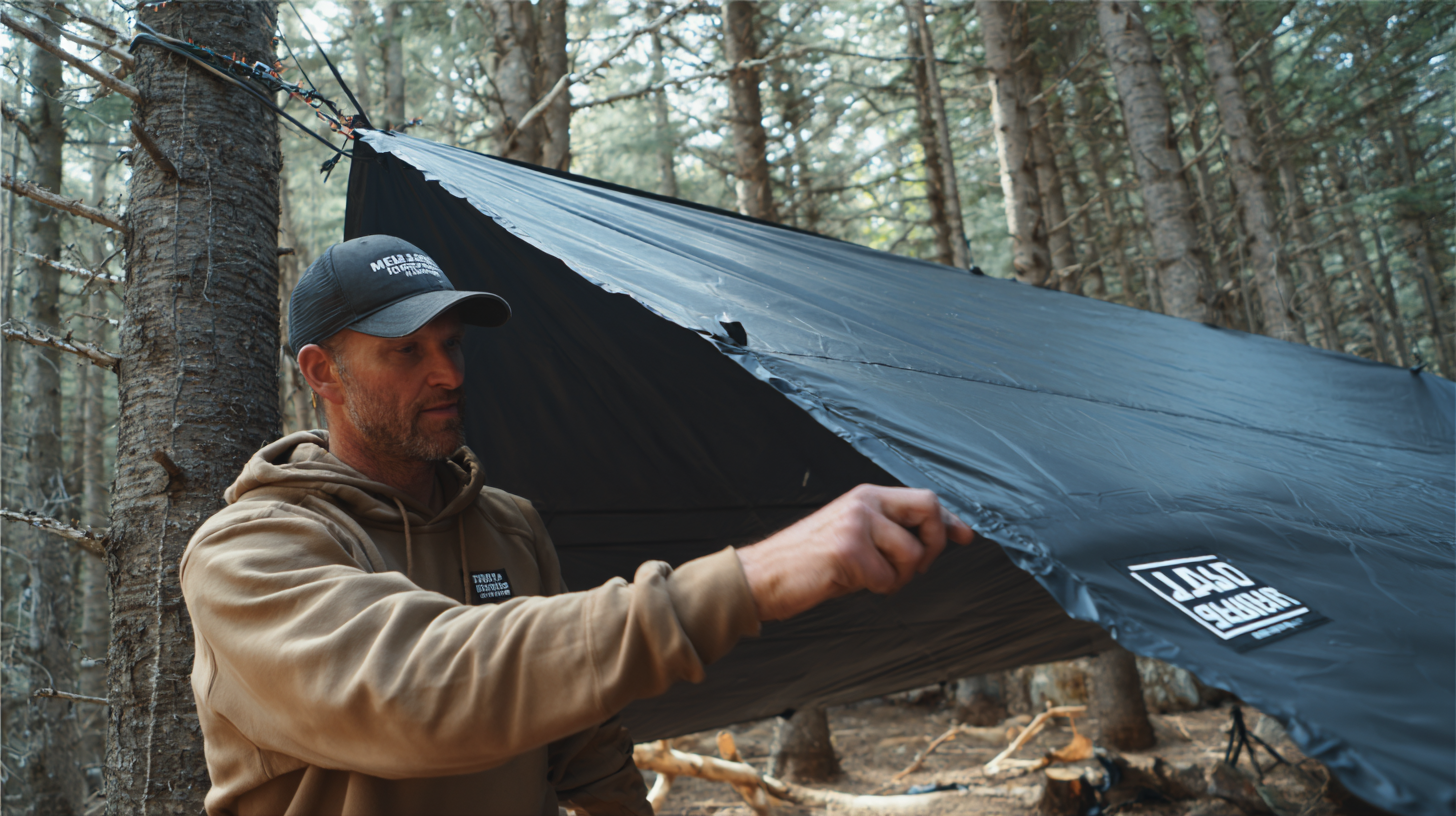
Plus, when you're choosing a heat tarp, it’s important to think about things like how durable it is, how easy it is to set up, and whether it gives you bang for your buck. Take for instance a tarp with reinforced corners and grommets – it’s pretty versatile and can handle all sorts of conditions. Then there are lightweight options that are great if you just need something for a short-term setup. And, let’s not forget about user reviews, which can give you the lowdown on how a tarp holds up over time, shedding light on issues like wear and tear or what kind of maintenance it might need. In the end, understanding the pros and cons of each option can really shape the success of your heating strategy.
Taking care of your heat tarps is really important if you want them to last a long time. It’s kind of like how healthcare is focusing more on wellness and longevity these days, right? Regular cleaning and storing them correctly can really stretch their lifespan, just like how preventive care in medicine keeps us healthier overall. You know, some recent studies are showing that preventative healthcare can pay off big time—there's this market analysis that shows longevity care tech could hit billions! Just like folks are picking up health products aimed at longevity, if you follow some good maintenance tips for your heat tarps, you can avoid a lot of wear and tear. This way, they’ll be all set to do their job when you need them the most.
And get this—there’s a big shift happening in wellness care toward hybrid models, and it’s influencing how we take care of our tools and equipment too! As companies are getting smarter about longevity, setting up structured care routines for your heat tarps can save you some cash, much like those cool breakthroughs in longevity medicine. Research even shows that if you use high-quality materials and keep up with regular maintenance, you could slash replacement costs by around 30% over time. So, by treating your heat tarps with the same care you’d give when thinking about longevity, you’re not only getting the most out of them but also keeping your expenses and the impact on the environment in check.
In today’s industrial environment, maximizing efficiency while ensuring safety is paramount. Flexible heat insulation blankets for machinery represent a vital investment in achieving these goals. With their impressive temperature range from -70°C to 1000°C and low thermal conductivity of less than 0.035 W/(m·k) at normal temperatures, these blankets offer exceptional performance in maintaining optimal operating conditions. According to a recent industry report, effective thermal management systems can enhance process efficiency by up to 15%, directly impacting productivity.
Notably, the physical properties of these insulation blankets contribute significantly to their durability and effectiveness. With a material density ranging from 100-200 kg/m3 and a thickness of 35mm-50mm, these blankets are designed to withstand harsh industrial environments. Their A-grade flame retardant performance ensures a high level of safety, minimizing the risks associated with flammable materials. Furthermore, their anti-corrosion features—resistant to both acids and alkalis, as well as water and oil—extend their lifespan to over 10 years, making them a cost-effective solution over time.
As industries push for greater sustainability, innovative insulation solutions such as these provide not only energy savings but also enhanced safety measures. By adopting flexible heat insulation blankets, businesses can create safer operational environments while achieving significant efficiencies—integral components of modern industrial best practices.
: Polyethylene and polypropylene are known for their superior insulating properties, potentially reducing heat loss by up to 40% compared to standard tarps.
Darker colors absorb more heat, while lighter colors, like white or silver, reflect sunlight and can lower interior temperatures by 10-15% during peak sunlight hours.
Ensure the tarp is securely fastened to avoid gaps where heat can escape. Using bungee cords or clips can help achieve a snug fit.
Loose tarps can lead to heat loss, and improperly set roofing tarps may trap harmful gases like carbon monoxide, especially after severe weather events.
Air gaps created by the tarp’s installation method can influence heat retention; a well-ventilated design maximizes performance by minimizing heat buildup.
Proper installation enhances heat coverage and safety by reducing the likelihood of gaps for heat loss and preventing dangerous conditions under the tarp.